If you’re curious to know more about each startup funding stage, what differentiates one round from another, and how to know which stage your startup should be at right now, you’ve come to the right place.
Every startup should be aware of the ins and outs of startup funding stages, and this complete guide on funding rounds will make it easy for you to understand every stage of startup financing.
Bootstrapping to multi-million-dollar Series funding, not all startups follow the same path of funding. However, all rounds do have a specific purpose for your startup, and this handy guide will break down all eight startup funding stages for you, including what investors will be looking for, how much money can be raised, and when you should consider each round.
The Pre-Seed Stage: Getting Started
Pre-seed funding represents the earliest stage of startup financing, typically ranging from $10,000 to $250,000. At this point, you’re likely working with a basic prototype or even just a compelling business idea.
Most pre-seed funding comes from:
- Personal savings and bootstrapping
- Friends and family contributions
- Angel investors interested in early-stage ventures
- Small grants and competitions
The primary goal during pre-seed is proving your concept has market potential. You’ll need to demonstrate initial user interest, conduct market research, and build a minimum viable product (MVP).
Key milestones for pre-seed:
- Validate your business idea
- Build your founding team
- Develop your MVP
- Conduct initial market testing
Seed Funding: Planting the Foundation
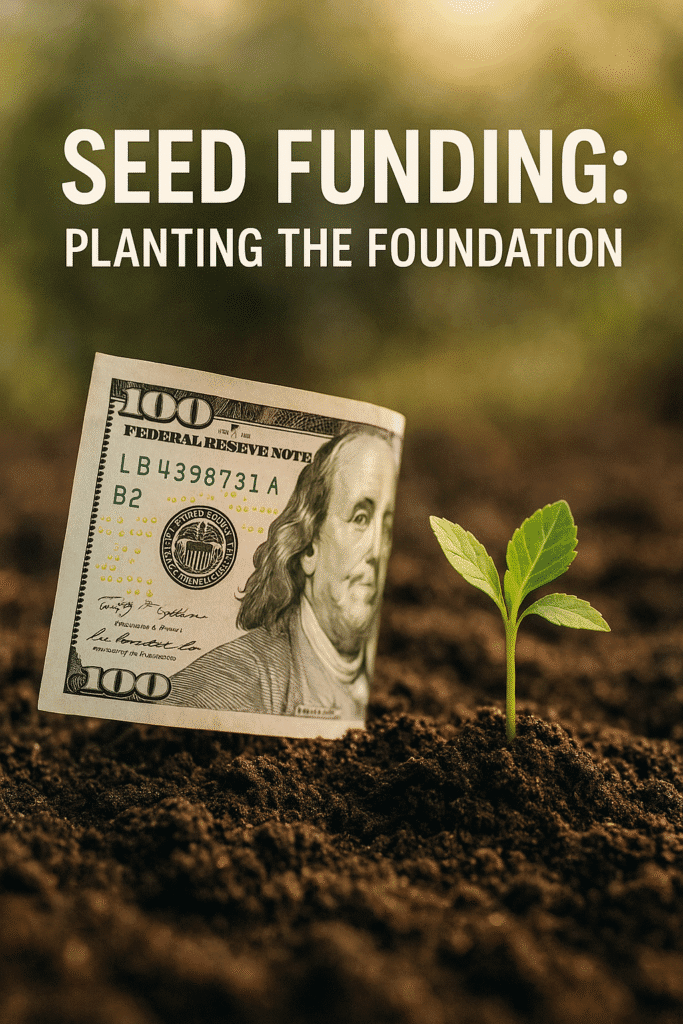
Seed funding typically ranges from $250,000 to $2 million and helps startups transition from idea to actual business operations. This represents one of the most critical different stages of startup funding where you prove product-market fit.
During seed stage, investors look for:
- Clear evidence of market demand
- Strong founding team with relevant experience
- Scalable business model
- Initial revenue or user growth metrics
Seed investors often include angel investors, seed venture capital firms, and early-stage investment funds. The funding helps cover essential expenses like team expansion, product development, and initial marketing efforts.
Common seed funding uses:
- Hire key team members
- Refine your product offering
- Establish initial marketing channels
- Develop sales processes
Series A: Scaling Your Business Model
Series A funding represents a significant milestone in startup growth, typically ranging from $2 million to $15 million. By this stage, your startup should have proven product-market fit and be ready for serious scaling.
Venture capital firms dominate Series A rounds, looking for startups with:
- Consistent revenue growth
- Strong unit economics
- Clear path to profitability
- Experienced management team
The Series A stage focuses on optimizing your business model and scaling operations. Investors want to see that you can efficiently acquire customers and generate sustainable revenue.
Series A priorities include:
- Expanding your team significantly
- Investing in sales and marketing
- Improving product features
- Establishing market presence
Series B: Accelerating Market Expansion
Series B funding ranges from $7 million to $50 million and targets startups ready for rapid market expansion. This stage of startup funding focuses on scaling proven business models to capture larger market share.
Companies pursuing Series B typically demonstrate:
- Strong revenue growth (often $1M+ monthly)
- Proven scalability
- Clear competitive advantages
- International expansion potential
Series B funding applications:
- Geographic expansion
- Product line diversification
- Strategic acquisitions
- Advanced technology development
The investor pool expands to include larger VC firms and growth equity investors who specialize in scaling successful startups.
Discover the top 20 active pre-seed stage angel investors in 2025 who are fueling innovative startups and early-stage business growth.
Series C: Preparing for Market Leadership
Series C rounds often exceed $50 million and target startups positioning themselves as market leaders. This represents one of the later different stages of startup funding where companies prepare for potential exits.
Series C companies typically show:
- Dominant market position
- Multiple revenue streams
- International presence
- Strong profitability potential
Common Series C objectives:
- Acquire competitors
- Develop new products
- Enter new markets
- Prepare for IPO or acquisition
Series D and Beyond: Late-Stage Growth
Series D funding and subsequent rounds serve various strategic purposes, from continued expansion to providing liquidity for early investors. These later-stage rounds can range from tens of millions to hundreds of millions.
Late-stage funding reasons include:
- Delayed IPO preparation
- Major acquisitions
- International expansion
- Market downturns requiring additional runway
Bridge Funding: Temporary Financial Solutions
Bridge funding provides short-term financing between major funding rounds. This type of startup funding typically lasts 6-18 months and helps companies reach specific milestones before raising larger rounds.
Bridge funding scenarios:
- Preparing for larger funding rounds
- Navigating market uncertainties
- Extending runway during negotiations
- Supporting acquisition discussions
Bridge funding sources:
- Existing investors
- Strategic partners
- Specialized bridge funds
- Revenue-based financing
IPO and Exit Strategies: The Final Stage
Initial Public Offerings (IPOs) and acquisition represent the ultimate goals for many startups. These exits provide returns for investors and liquidity for founders and employees.
IPO readiness requirements include:
- Consistent profitability
- Strong governance structure
- Scalable business model
- Market leadership position
Alternative exit strategies include strategic acquisitions, private equity buyouts, and management buyouts.
How Tablon Connects Startups with the Right Investors
Finding investors for different stages of your startup journey is much easier when you have access to the right network. Tablon helps connect founders with investors in the Middle East and other regions.
By hosting monthly networking dinners and targeted one-on-ones, Tablon enables startups and investors to meet and connect. The platform gives you access to 100+ verified investors like VCs, angel investors, and private equity investors.
What makes Tablon unique:
- Curated investor database with direct contact information
- Regular networking events in key markets like Dubai and Bangalore
- Personalized matching between startups and relevant investors
- Focus on building genuine, long-term relationships
Many founders struggle with investor outreach and building credible connections. Tablon solves this challenge by creating structured environments where entrepreneurs can present their vision to qualified investors who understand their industry and stage.
Conclusion
Knowledge of the different stages of startup funding helps entrepreneurs make informed and strategic decisions on raising capital when they need it the most. By identifying which funding round you are in or should target next, you can better prepare for pitching, closing, and post-money operations. In a well-structured and planned startup journey, each stage of funding has a distinct role and objective. For instance, pre-seed funding helps in market research and concept validation, while Series C focuses on expanding your market leadership.
Achieving successful startup funding is a complex process that requires more than just an exceptional idea. Timing, connections, and preparation are critical factors that can make or break your venture. Whether you are gearing up for your first seed round or strategizing for a Series B expansion, having access to qualified investors is essential.
Tablon offers entrepreneurs the opportunity to connect with investors who understand their startup stage and growth potential, making it easier to navigate through different stages of startup funding and build a valuable investment community.
Frequently Asked Questions
Q1: How long should I wait between different funding rounds?
Typically there are 12-24 months between major rounds, allowing time to hit key milestones and demonstrate growth that justifies higher valuations.
Q2: What percentage of equity should I give up in each funding stage?
Generally 10-25% per round, though this varies significantly based on valuation, growth stage, and market conditions.
Q3: Can startups skip certain funding stages entirely?
Yes, some startups jump from seed directly to Series B or even later stages if they demonstrate exceptional growth.
Q4: How do I know when my startup is ready for the next funding stage?
Key indicators include consistent revenue growth, proven scalability, a strong team, and clear milestones for fund deployment.
Q5: What’s the biggest mistake startups make during funding rounds?
Overvaluing their company too early or raising funds without clear plans for deployment and milestone achievement.